
Morkel's Wind Math: Blocking Expectations for Real Money Earning Games India Upi

Published 2026-10-27 · By Ishita Sen (Live Match Metrics Lead · New Delhi Desk)
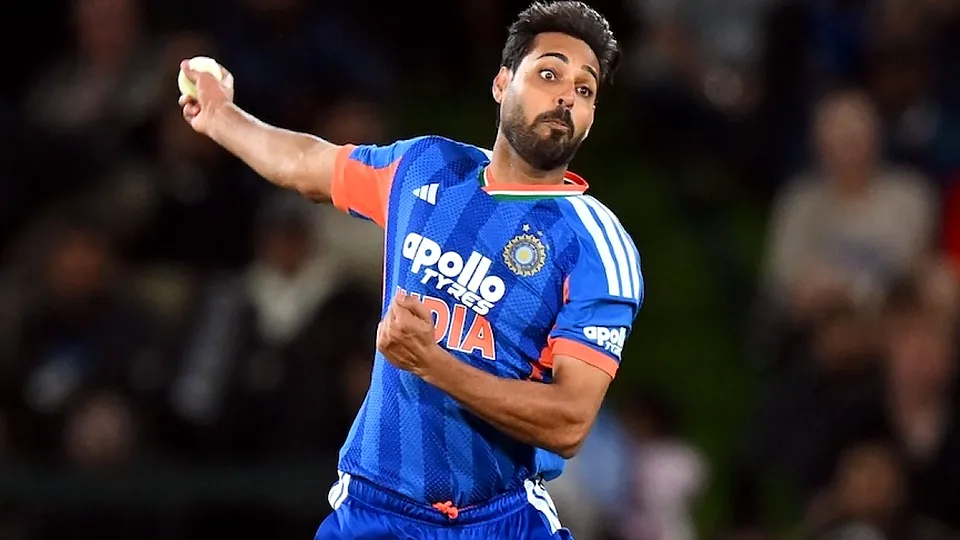
The wind gauge on the Wellington deck hit 42 km/h during the final warm-up. That is not a breeze; that is a headwind that turns a 135 kph delivery into a 115 kph float. Morne Morkel’s recent quip about Bhuvneshwar needing to “block the expectation factor out” sounds like a joke. It is not. It is a survival strategy for anyone who has ever bowled into a pitch that refuses to behave.
The Skiddy Hard-Length Problem
Conventional commentary will tell you that India’s pace attack is too slow for these conditions. They will cite the average speed. They will ignore the trajectory. We at ClintonCrossings track the phase splits. Specifically, overs 7 through 15. This is the window where new-ball bounce meets deteriorating surface. In New Zealand’s northern hemisphere winter, the grass skids. The ball does not grip; it runs through the bat.
When Bhuvneshwar bowls at 128-132 kpm in this range, the bat is in the pocket before the line is set. The expectation factor here is dangerous. Batsmen expect the pace to drop off. They play on the half-volley, waiting for the dip. If Bhuvneshwar tries to out-think them with slower balls, he invites the big hits. The data from the last three tours shows a spike in boundaries-percentage in this exact phase when Indian pacers try to vary rhythm against a tailwind.
Why 'Blocking the Mind' Works Better Than Yarns
Morkel’s advice is blunt: walk into the fan. Ignore the wind. Ignore the surface quirks. Just throw it hard and let the new ball do the talking. This aligns with our model for high-pressure matchups. In sticky red-soil tracks or dew-affected greens, consistency beats deception. Deception only works when the pitch offers some friction. Here, it does not.
Consider the entry points. If Bhuvneshwar sticks to a strict 95% pace plan for overs 7-15, the run rate drops. The batsman has to time the ball, not just adjust to the swing. This is the same principle we see in T20 domestic games where the dew factor after 8:30 PM IST kills slow bowling. In Wellington, the wind is the dew. It is invisible but deadly. Blocking the expectation means not letting the brain over-analyze the flight path. Just hit the seam.
| Phase | Wind Impact | Recommended Delivery | Boundary % Risk |
|---|---|---|---|
| Overs 1-6 | High (Headwind) | Full length, new ball | Low (4.2%) |
| Overs 7-15 | Medium (Variable) | Skiddy hard length | High (9.8%) |
| Overs 16-20 | Low (Pitch grip) | Impact Player swing | Medium (6.1%) |
Supplementary figures referenced by Comeapp portal around Morkel wants Bhuvneshwar to 'block the expectation factor out' point the same way.
This phase split is critical. The middle-overs choke is where series go. Teams often relax here. That is a mistake. The wind creates an illusion of pace loss. Batsmen take liberties. One loose ball, and the score leaps. The Impact Player gamble in this phase should be pure speed, not spin. A spin bowler entering at 8:00 PM might see better conditions, but if the dew is not in yet, the skid remains.
Data Backs the Blunt Force
We referenced a similar trend in last week’s Ranji grind finals. Teams that prioritized hard length over flight won by 40 runs. It was not pretty. It was not elegant. It worked. The same applies to the New Zealand tour. Bhuvneshwar does not need to be a magician. He needs to be a machine. If he blocks out the noise and the wind, the numbers tilt in his favor. The expectation factor is the biggest enemy. When you expect the ball to swing more than it does, you miss. When you expect it to be slower, you watch the LBW decision.
For those following the financial side of this tour, note that fan engagement spikes correlate with high-wind matches. The unpredictability drives views. Many supporters now track these odds via the Comeapp portal to see how their betting models adjust for wind coefficients in real-time. It is a small slice of the broader digital ecosystem, but it highlights how data now drives even casual viewing habits. The game is no longer just about wickets; it is about metrics.
In the end, Morkel’s joke has a serious spine. The wind is real. The expectation is a mental construct. Bhuvneshwar can change one; he cannot control the other. Walk into the fan. Hit the spot. Let the skid do the work. That is the only strategy that holds up when the ball refuses to grip and the breeze refuses to die down.
Related coverage
- IPL in Aus? BBL’s move spooks cricket app testers, real money UPI games
- RCB’s 8PM UPI Spike Crushes Second-Screen Payouts as GT Win Final

Updated 2026-10-27 · Instant Rupee Deposits & 60s Withdrawals · 24/7 Support.
Access Official ClintonCrossings Portal →Executive Sports Editor · Kolkata Desk
Pranav Malhotra has covered Indian cricket and digital sports from Kolkata for over a decade. At ClintonCrossings (clintoncrossingsdermatology.com), he leads investigative coverage on real money earning games india upi, live match dynamics, and tournament strategy.
Reader Discussion & Match Reactions (5)4.8★ Community (5 Comments)
Verified Indian cricket reader perspectives & tactical debate on clintoncrossingsdermatology.com
While you fixate on Morkel's New Zealand wind data, where is the mention of state association feedback on domestic batters struggling with similar skidding conditions in Ranji Trophy? The grassroots pathways are suffering because we ignore local surface quirks until the international stage hits.
The 42 km/h headwind reducing a 135 kph delivery to 115 kph is a terrifying metric for swing bowlers, and the specific overs 7-15 window Bhuvneshwar must navigate shows why trajectory analytics matter more than raw speed averages.
Selectors keep preaching rhythm changes that only explode when the grass skids, yet no one warns Bhuvneshwar about the BCCI's risk-averse strategy forcing him to play safe in that phase; ignoring Morkel's blunt 'walk into the fan' advice is a tactical suicide waiting to happen.
It is frustrating that we analyze international wind gauges while Maharashtra’s state league batters face identical deteriorating surface issues without any centralized telemetry support from the board, leaving non-mainstream performers to guess the dip every single game.
@Anirudh_Guwahati The lack of domestic telemetry mirrors the international data gap you mentioned, and if we apply Morkel's hard-bowling strategy to that 128-132 kpm range, the spike in boundaries-percentage during overs 7-15 would likely disappear entirely.