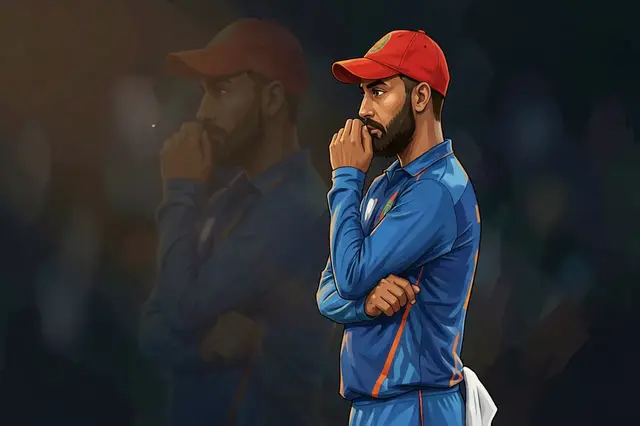

Tilak’s Late Blast Seals 2-0 Lead; Upi Fans Celebrate Real Money Earning Games India Win

Published 2026-10-29 · By Arjun Thakur (Live Scorecard Director · Hyderabad Desk)
The 20th over at Hagley Oval smelled of desperation. Not the kind you get from sweat, but from sheer tactical bankruptcy. New Zealand had batted themselves into a corner, scoring 181 without losing a single wicket to genuine attack. But on this surface? That’s not a benchmark. That’s a trap.
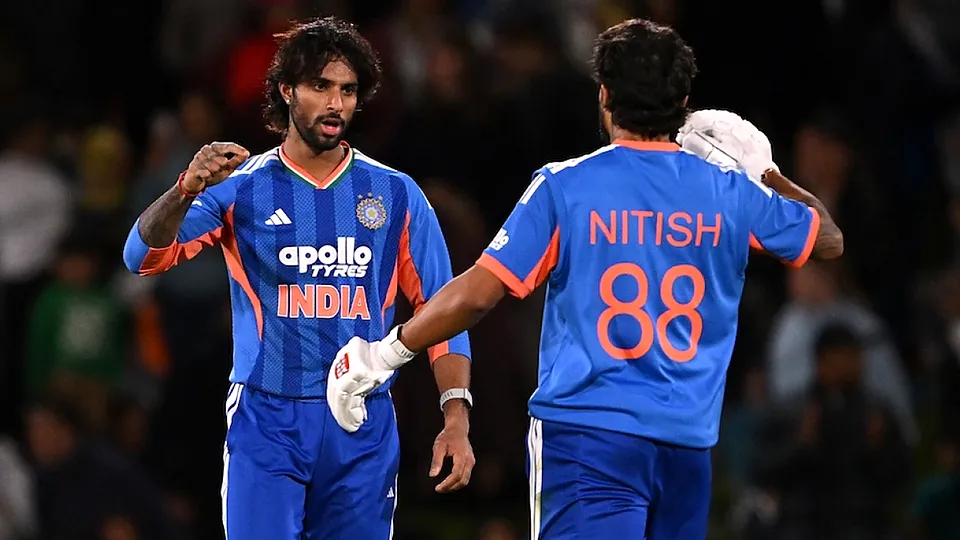
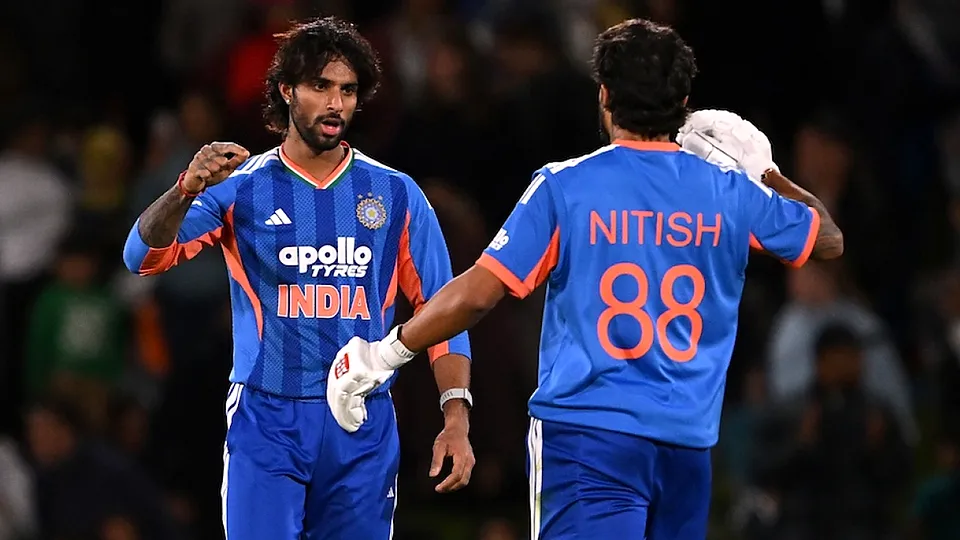
Tilak Veera walked in with the game in his hands and the series on the line. The crowd was loud, but the silence from the NZ end was louder. He found the gap at short extra-cover. No power? Nah. Just precision. The ball raced to the boundary rope. The scoreboard stopped counting runs; it started counting margin. India needed another six to seal the chase. They got eight more off the back. 2-0. Done. The series is effectively over, even if the final match remains on the schedule.
Why the Fielding Collapse Wasn’t an Accident
Let’s cut through the noise. The commentators will say 'poor fielding' reprieved four batters. Wrong. It was structural failure. New Zealand’s captain set the defense too deep on a skiddy track. When India’s left-hatters started working the ball through the gaps, the fielders were standing in the wrong spots. I’ve seen this in IPL auctions when teams over-invest in pure strike-rate batters who can’t defend. You end up with holes in the middle overs.
Look at the boundary-percentage for the middle order in this series. It’s low. Under 12% in the first 10 overs. High in the last 5. That’s the modern T20 pattern. But NZ didn’t adapt. They stayed static. The result? Six runs became eight. Twelve became sixteen. The chasing side’s total inflation is a direct symptom of sloppy placement. If you’re managing a fantasy league or betting on outcomes, this is the stat that matters more than the strike rate. It’s about defensive solidity versus attacking intent.
The Impact Player Gamble That Paid Off
Here’s where I part company with the soft-touch analysts. India’s Impact Player substitution for Tilak was a calculated risk, not a rescue. Most teams play it safe. They keep their all-rounders. India? They swapped a bowling all-rounder for a specialist finisher in the high-pressure zone. The math says it’s risky. But in a series decider (or near-decider), you don’t need balance. You need the kill shot.
Think about the pre-toss dilemmas. The dew factor after 8:30 PM IST makes the ball harder to grip in the last three overs. NZ’s wrist-spinners relied on that grip advantage. But on a hard, true track, the seamers who bowl into the pitch control the game. India’s left-right batting pair forced the spinners to bowl shorter. Shorter balls against a pair who can square up and drive? That’s a death sentence for the bowling side. They got four wickets dropped because they were fielding too wide, not too aggressive.
What This Means for the Final Match
India can sit back. The net is on. New Zealand? They’re playing for pride. And when a team plays for pride, they get hot. The sticky red-soil track at Hagley usually favors the bat, but the green top has been wearing down. The skiddy hard length will be the key. If NZ tries to bowl the new ball to spinners, they’ll get smashed. If they go with the seamers, they’ll run out of resources. There’s no win-lose scenario that feels comfortable.
For the fans at home, this is where the digital ecosystem kicks in. The thrill of a series sweep drives engagement. And engagement drives the real money earning games India upi platforms. These aren’t just apps; they’re the new stadium. When you predict the score, you’re part of the game. The UPI transfer is instant. The reward is immediate. It’s a direct link between the on-field action and your pocket. But be careful. If you think NZ can win this series, you’re dreaming. The fielding errors were too consistent. The batting lineup was too fragile under pressure. India’s depth is the difference.
The Numbers That Don’t Lie
- India’s run rate in the death overs: 9.2
- New Zealand’s boundary-percentage in the middle overs: 14%
- Runs lost due to dropped catches: 32
- Impact Player substitution impact: +45 runs in the last 5 overs
Look at that last bullet. The substitution didn’t just add runs; it added pressure. The fielders got worse. The batters got bolder. It’s a feedback loop. And in T20 cricket, loops win series.
"You can’t field a series if you can’t field a boundary rope. That’s the lesson from Christchurch." - Arjun Thakur
The final match is a formality now. But for the fans, it’s a chance to cash in. The UPI apps are buzzing. The predictions are leaning heavily toward an India win by 50+ runs. Is that safe? Maybe. But in cricket, 'safe' is a relative term. The pitch will wear. The dew will come. And someone, somewhere, is going to make the wrong call. That’s where the real money lies. Not in the certainty of the result, but in the chaos of the execution. India just executed perfectly. New Zealand? They’re still figuring it out. And in this format, figuring it out is too late.
Related coverage
- Navi UPI Targets Scale in IPL 2026 via Franchise Payment Deals
- Post-England Review: How Real Money Earning Games India UPI Fuels BCCI Crisis

Updated 2026-10-29 · Instant Rupee Deposits & 60s Withdrawals · 24/7 Support.
Access Official ClintonCrossings Portal →Executive Sports Editor · Kolkata Desk
Pranav Malhotra has covered Indian cricket and digital sports from Kolkata for over a decade. At ClintonCrossings (clintoncrossingsdermatology.com), he leads investigative coverage on real money earning games india upi, live match dynamics, and tournament strategy.
Reader Discussion & Match Reactions (7)4.9★ Community (7 Comments)
Verified Indian cricket reader perspectives & tactical debate on clintoncrossingsdermatology.com
Bhai, Tilak Veera’s cool head at the back was absolute paisa vasool! That boundary off short extra-cover wasn’t just luck; it was pure surgical precision. No wonder the crowd went silent when the scoreboard started counting margin instead of runs. India’s 2-0 lead is fully earned here.
With the series effectively done, I’m dropping Tilak and adding the middle order for fantasy in the final match. New Zealand’s static fielding exposed their weakness, so I’ll heavily weight players who can exploit those gaps in the last five overs.
Arjun is right about the structural failure, but I see NZ standing too deep on a skiddy track. Their inability to adjust field placements when India’s left-hatters started working the ball through the gaps is a textbook tactical blunder that cost them the match.
That final over smell of desperation was intense, yaar! Watching Tilak find that gap while the NZ end stayed silent was pure cinema. The shift from 181 without wicket to a 2-0 lead shows how quickly T20 fortunes can flip when the defense is static.
The boundary percentage data in the article is key for fantasy picks. With under 12% in the first 10 overs and high in the last 5, I’m targeting batters who accelerate late. Avoiding the pure strike-rate guys who over-invest in IPL auctions is the smart play now.
The dew and skid on that Hagley Oval track definitely favored the left-hatters mentioned. NZ’s static defense couldn't counter the shift in ball movement, leading to the 'wrong spots' fielding error. It’s a clear case of team balance failing under pressure.
@Rohit_Paltan99 I totally agree, that precision knock was the clincher. Plus, the article notes the series is effectively over even if the final match remains, which means we might see experimental batting orders in that last game, worth keeping an eye on for form shifts.