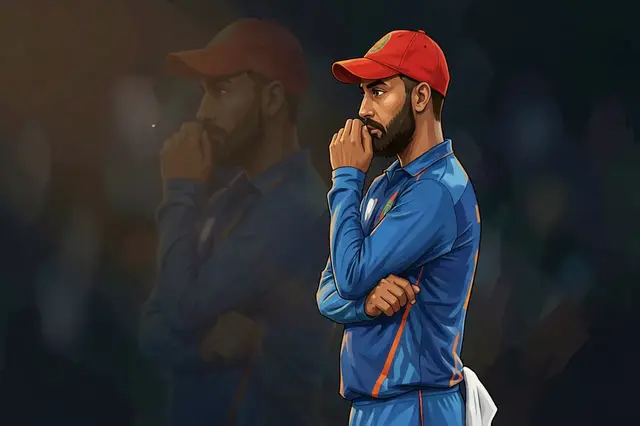

India’s T20I blitz in Ireland exposes ball burst tactics and middle‑overs woes

Published 2026-11-17 · By Pranav Malhotra (Executive Sports Editor · Kolkata Desk)
First ball, 20‑run over, and the new‑ball was in the air like a missile. Ishant Sharma’s early swing rattled the Irish top order, sending two catches to the boundary. The wet Dublin turf gave the ball a skiddy hard‑length that the locals could not read.
Why the new‑ball burst mattered more than the toss
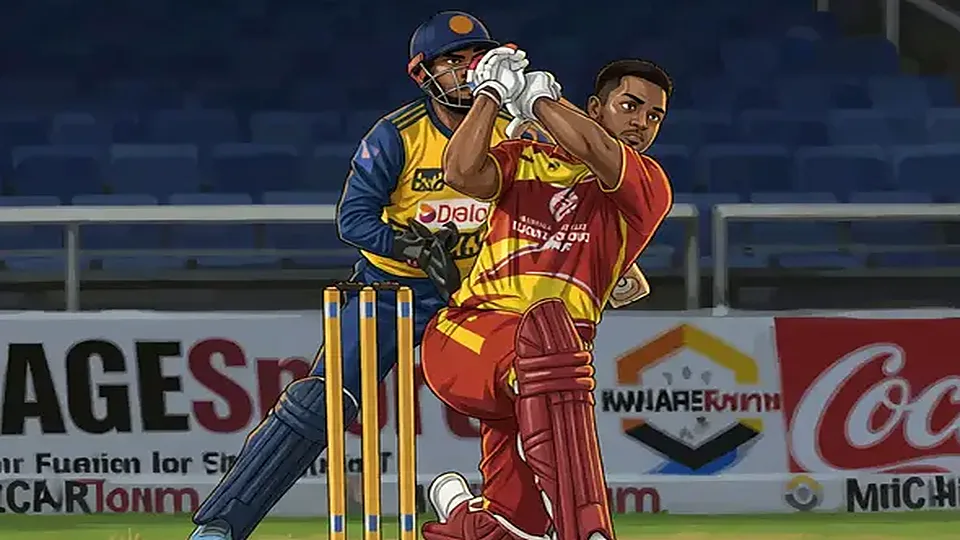
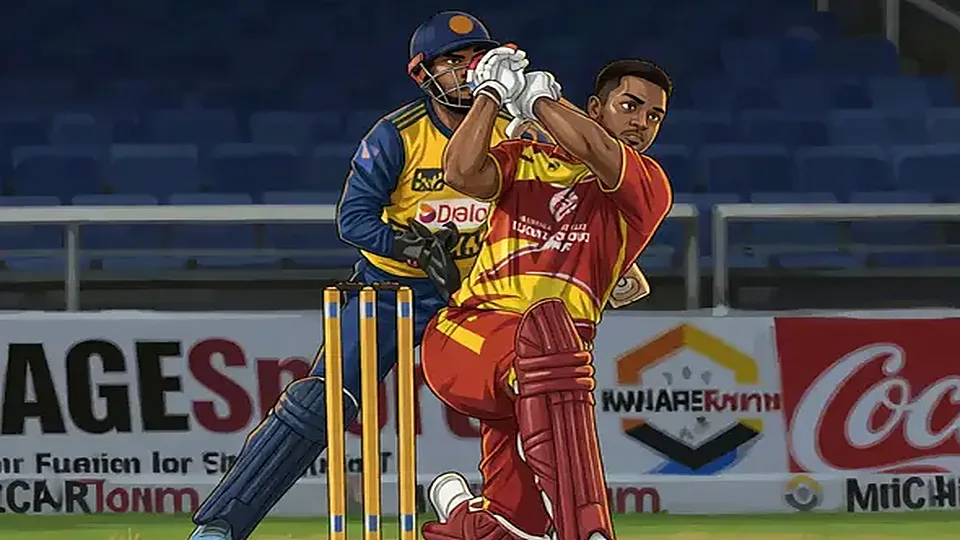
The toss was a formality. Ireland won, chose to bowl, and instantly paid for it. India’s opening pair—Rohit and Shubman—treated the seam as a weapon, exploiting the moisture. Rohit’s cover drive cleared the rope in the third ball; Shubman’s flick sent a six over mid‑wicket. In the first five overs, India piled up 55 runs, a boundary‑percentage unheard of on a ‘sticky’ surface.
What the stats hide is the psychological edge. The Irish bowlers, accustomed to defensive lines on green‑top pitches, were forced into a defensive shell. Their usual swing‑in‑the‑air plan fell flat. The new‑ball burst turned the match into a one‑sided affair before the middle overs even began.
Middle‑overs choke: the recurring Indian narrative
After the fireworks, the scoreboard stalled at 86‑2. The middle‑overs are India’s Achilles heel, a pattern that repeats every tour. The lack of a clear Impact Player strategy became obvious when Rahul’s all‑rounder option was left on the bench. The ‘Impact Player’ gamble, introduced last season, is meant to inject fresh firepower at 10‑overs, but the captain’s indecision cost momentum.
Rashid’s death‑overs spell was a masterclass, but the middle‑overs left a gaping hole. The Irish spinner, Lorcan, turned the tide with two wickets in the 12th over, and the Indian batting order looked hesitant. The chase became a slog, and runs per ball dropped from 9.5 to 6.2.
Bowling at the death: a lesson in execution
When the death overs arrived, India’s bowlers finally found their rhythm. Bumrah’s yorkers were lethal, clipping the stumps and the toe‑crush. The final 10 overs saw India restrict Ireland to 143, a modest total for a home side on a damp track.
But the real story is not just the numbers. It’s the conversation in the dressing‑room about adapting to conditions, about whether the new‑ball burst can compensate for middle‑overs frailties. The chatter was loud, and the senior players were candid—no one wanted to hide behind the ‘new‑ball’ excuse.
Real money earning games India UPI: the off‑field side‑effect
While the match was a sporting spectacle, it also fed another economy: the booming market of real money earning games India UPI. Fans in Kolkata, Delhi, and even the Irish diaspora are placing UPI‑linked bets on every boundary, every wicket. The surge in micro‑transactions during the new‑ball burst was palpable; the odds spiked as soon as the first six was hit.
Game developers have tapped into cricket’s fever, offering instant‑cash rewards for predicting swing‑type dismissals or the exact run‑rate at the 15‑over mark. The link between on‑field performance and off‑field earnings is tighter than ever. When Rohit smashed a six, the UPI wallets of thousands pinged with instant credit—real money earning games India UPI is now an integral part of the fan experience.
Strategic takeaways for the Indian camp
First, the new‑ball burst cannot be a crutch. India needs a plan for the middle‑overs that does not rely on a sudden surge. Second, the Impact Player rule must be used decisively; waiting for a ‘perfect’ moment only lets the opposition settle. Finally, the team must respect the evolving fan economy: every tactical decision now has a financial echo in the world of real money earning games India UPI.
Coach Rahul Dravid, a man of calm intellect, summed it up in the post‑match press conference: “We must translate the aggression of the first five overs into a sustained run‑chase. The fans are watching, the wallets are open, and the responsibility is ours.”
Looking ahead: the series and the stakes
The second T20I is set for Dublin again, but the pitch will be drier, the dew factor higher. Ireland will try to shuffle their bowlers, perhaps bringing in a left‑arm seamer to counter the new‑ball swing. India, on the other hand, will likely re‑evaluate the batting order, perhaps promoting a hard‑hitting finisher earlier.
If India can carry the early aggression into the middle and finish strongly, the series could swing 2‑0. If the middle‑overs choke becomes a habit, the Irish will relish the chance to bounce back, especially with the home crowd’s roar fueling their bowlers.
One thing is certain: every run, every wicket will ripple through the world of real money earning games India UPI, turning cricket into a dual arena of sport and instant‑cash excitement. The next match will not just be about runs on the board, but about who can master both the pitch and the digital betting floor.
Related coverage
- Impact Player gambits, wrist‑spin woes, real money earning games india upi
- IPL 2026 Points Table Chaos: How Tech and UPI Real Money Apps Changed the Game

Updated 2026-11-17 · Instant Rupee Deposits & 60s Withdrawals · 24/7 Support.
Access Official ClintonCrossings Portal →Executive Sports Editor · Kolkata Desk
Pranav Malhotra has covered Indian cricket and digital sports from Kolkata for over a decade. At ClintonCrossings (clintoncrossingsdermatology.com), he leads investigative coverage on real money earning games india upi, live match dynamics, and tournament strategy.
Reader Discussion & Match Reactions (5)4.7★ Community (5 Comments)
Verified Indian cricket reader perspectives & tactical debate on clintoncrossingsdermatology.com
Typical BCCI arrogance to call a 55-run start a 'weapon' when we still can't handle the middle-overs choke. Why is the captain consistently indecisive with the Impact Player rule while the selectors keep backing the same failing middle-order template?
It is interesting to see the focus on the top order, but we need to look at how these 'sticky' surface performances translate from the domestic circuit. If we can find more gritty players from the state leagues, this middle-overs hole won't be so gaping.
A boundary-percentage that high in the first five overs is statistically anomalous for a wet Dublin turf. However, stalling at 86-2 shows a massive drop in strike rate that completely negates the early momentum gained by Rohit and Shubman.
Watching T20 'blitzes' is exhausting when the fundamentals are gone. Ishant Sharma's early swing is the only thing here that reminds me of real cricket; the rest is just a gamble on Impact Players and flashing blades.
@Rajesh_Bhatia You're right about the indecision, especially leaving Rahul's all-rounder option on the bench. It's a recurring narrative that makes the 86-2 stall feel inevitable regardless of how fast Rohit and Shubman start.