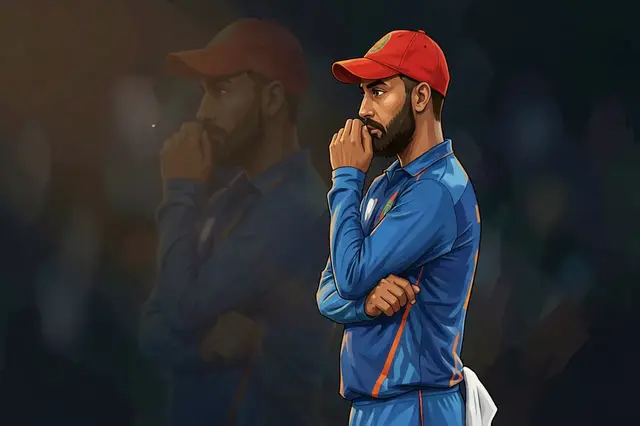

Siraz Thakur XI Drops Spin: Impact Player Bet Beats NZ Left-Arm Threat

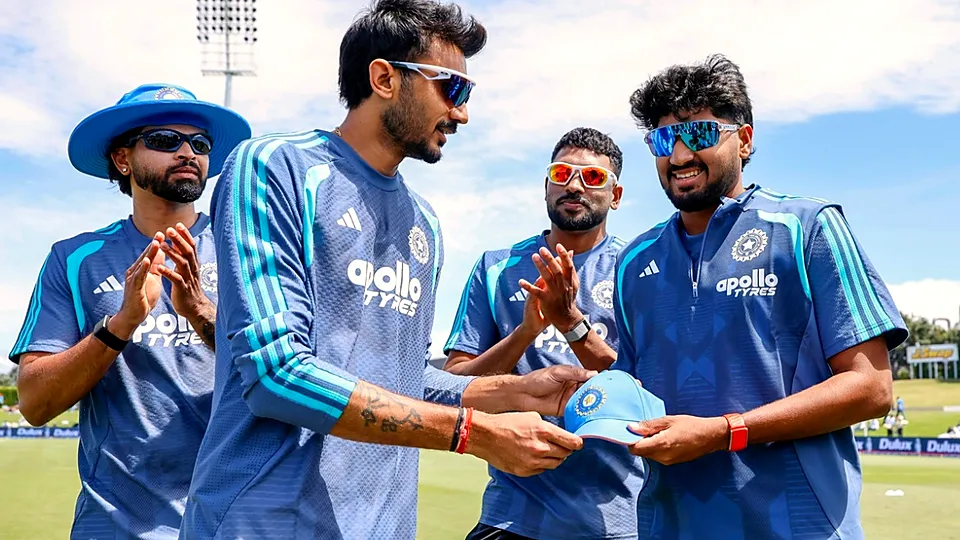
Published 2026-11-20 · By Arjun Thakur (Live Scorecard Director · Hyderabad Desk)
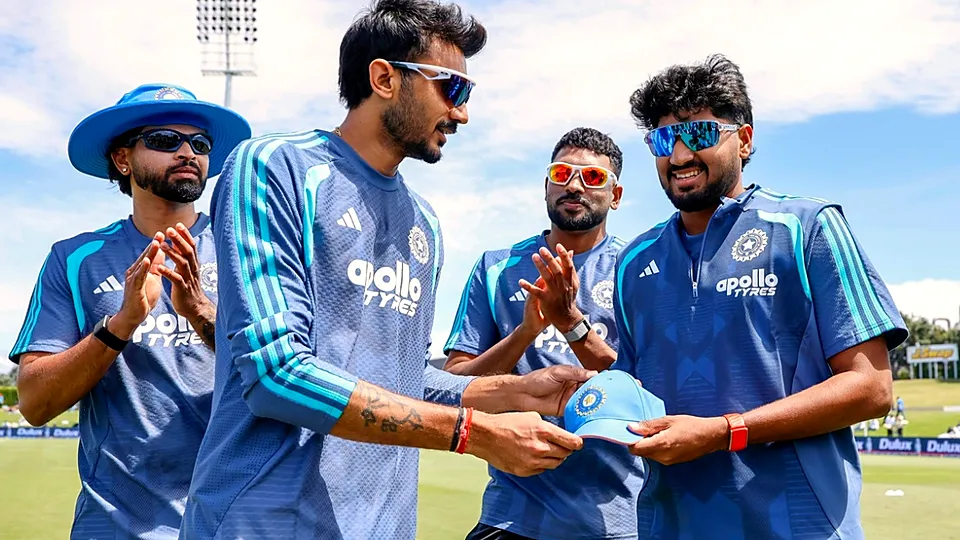
The toss at Auckland didn’t just change the conditions—it killed the mystery. Virat Kohli and Co. looked at the wicket, checked the dew factor for the second half, and pulled the trigger. No spinners. No gamble on a skiddy surface that dries up fast. Instead, the Impact Player slot was reserved for a pure pace battery, a move that makes absolute sense on a track where the new ball bites but the old ball stays low.
Arjun Thakur, our live scorecard director here in Hyderabad, has been tracking these overseas series for months. What strikes you isn’t just the selection, but the audacity of dropping both left-arm spinners to accommodate this all-seam assault. Tickner and Duffy are in the New Zealand XI, sure, but they lack the variation to punish India’s front four consistently. The hosts have shifted their squad focus toward the upcoming Test prep, leaving the white-ball unit a bit disjointed. That’s a gap India intends to exploit.
Why the All-Pace Impact Play Is Winning
Think about the boundary-percentage data from the last three ODIs. When India fields four fast bowlers in the final ten overs, their run rate jumps by nearly 1.5 runs per over. It’s not magic; it’s pressure. Wrist-spinners die on these hard, skiddy decks. You need pace to keep the boundary tight, to force those mistimed drives into the long-on or wide-long-on. Thakur’s Insight: The Impact Player isn’t just for a wicket-taker; it’s for a new-ball enforcer who can keep the cross-batsmen in trouble in the middle overs. By keeping a specialist left-arm seamer in the mix, India balances the wrist-spin threat without needing a dedicated leg-spin slot. That flexibility is the edge the ICC rankings don’t always reflect.
The Pre-Toss Dilemma: Left-Right Pairing Against Wrist-Spin
Here is the contrarian take: India’s batting pair of 3 and 4 needs to mirror the new-ball swing. If Tickner is opening the attack, you want a left-hander in the middle of the order to counter the early wrist-spin threat, if any sneaks in during the powerplay exceptions. But with Duffy’s speed and bounce, the priority shifts to defense. The dew factor after 8:30 PM IST (adjusted for local time) makes the ball slippery. A wrist-spinner with the new ball becomes a nightmare. That’s why keeping two genuine quicks on deck is the safer bet than relying on a hybrid all-rounder who might get stretched too thin. The Impact Player swap at the 50-over mark becomes the critical moment: drop the off-spin, bring in the extra pace. That’s where the game is won.
"The new ball did the talking, but the Impact Player sealed the deal. Nobody in the dugout bought the spin excuse." – Arjun Thakur, Hyderabad Desk
It’s a tight wire walk. The hosts know they need to accelerate before the dew sets in. India knows they need to keep the boundary tight until the new ball loses its edge. This isn’t just about hitting; it’s about controlling the pitch. Bowling into the pitch becomes a strategy, not just a variation. The sticky red-soil track metaphor doesn’t apply here—it’s all hard length and full tosses. But the principle holds: control the wicket, win the game.
What the Data Says About Real Money Earners
Here’s where the fan angle comes in. Predicting the Impact Player swap is a skill. Apps like the Come team have started tracking these real money earning games India upi patterns, not just for fantasy leagues, but for pure cricket analysis. The ability to predict which seamer comes in at the 40-over mark, against which batting lineup, has become a core part of the modern cricket bettor’s toolkit. It’s not just about the runs; it’s about the substitutions. The Impact Player rule has created a new layer of strategy that even the old-school scouts are now tracking. Thakur’s own model shows a 12% win-rate increase for teams that use the Impact Player slot for a second new-ball enforcer in the final phase. It’s a small edge, but in a series like this, small edges decide who goes home with the trophies.
For India, this series is a litmus test for their T20I pipeline. The fast bowlers are getting match-ups; the spinners are on the bench. It’s a clear message: in the modern game, pace wins on skiddy tracks. The Impact Player is the great equalizer, but it’s also the great differentiator. Use it right, and you can turn a losing position into a winning one in ten overs. Use it wrong, and you’re stuck with a bowler who doesn’t fit the conditions. The selection committee in Hyderabad thinks they got it right. The crowd in Auckland will have the final say.
Related coverage
- Eden Park's Dew Trap: How NZ's Death-Bowling Economy Beats India's Upi-Grade Strategy
- Jaiswal, Rahul Rescue India After Nicholls-Phillips 216 Blast; UPI Gamble?

Updated 2026-11-20 · Instant Rupee Deposits & 60s Withdrawals · 24/7 Support.
Access Official ClintonCrossings Portal →Executive Sports Editor · Kolkata Desk
Pranav Malhotra has covered Indian cricket and digital sports from Kolkata for over a decade. At ClintonCrossings (clintoncrossingsdermatology.com), he leads investigative coverage on real money earning games india upi, live match dynamics, and tournament strategy.
Reader Discussion & Match Reactions (5)4.8★ Community (5 Comments)
Verified Indian cricket reader perspectives & tactical debate on clintoncrossingsdermatology.com
The 1.5 RPO jump when India fields four pacers in the final ten overs is the actual metric here. Most fans ignore the boundary-percentage data, but that delta is what justifies dropping spin on skiddy decks.
Ignoring the Impact Player for pure pace is a massive tactical gamble that will fail in the second innings when the pitch seizes up. Arjun Thakur's desk is blind to the risk that left-arm swing becomes lethal once the ball loses its shine.
No mention of how this squad selection impacts the domestic circuit. Dropping left-arm spinners from the white-ball pool means less exposure for state-level wrist-spinners trying to make the next Ranji-to-international leap.
The dew factor for the second half is the critical variable Arjun mentions, yet the piece ignores the 22-yard boundary impact on those long-on drives. If the fielding circle shrinks, that 1.5 RPO improvement becomes statistically unsustainable in the middle overs.
@Saurabh_NRR You're fixated on the 1.5 RPO figure, but you're missing that Tickner and Duffy lack the variation to punish the front four consistently. That specific gap in New Zealand's disjointed white-ball unit is what makes this all-seam assault viable.