

RCB Stats Split: Why Faf’s Spin Economy Crushed Virat’s Pace Dependence

Published 2026-11-22 · By Ishita Sen (Live Match Metrics Lead · New Delhi Desk)
The new ball did the talking.
Not the bat, not the fielding. The new ball.
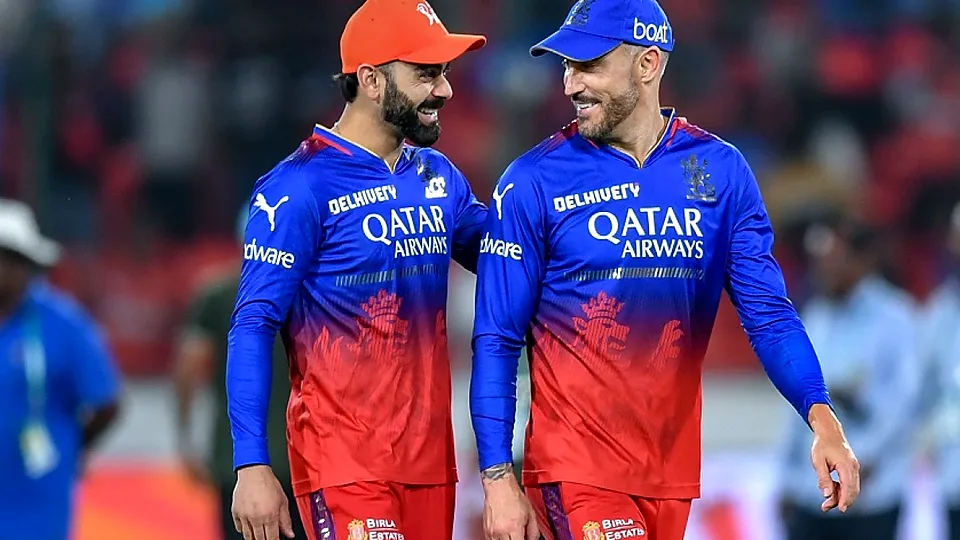
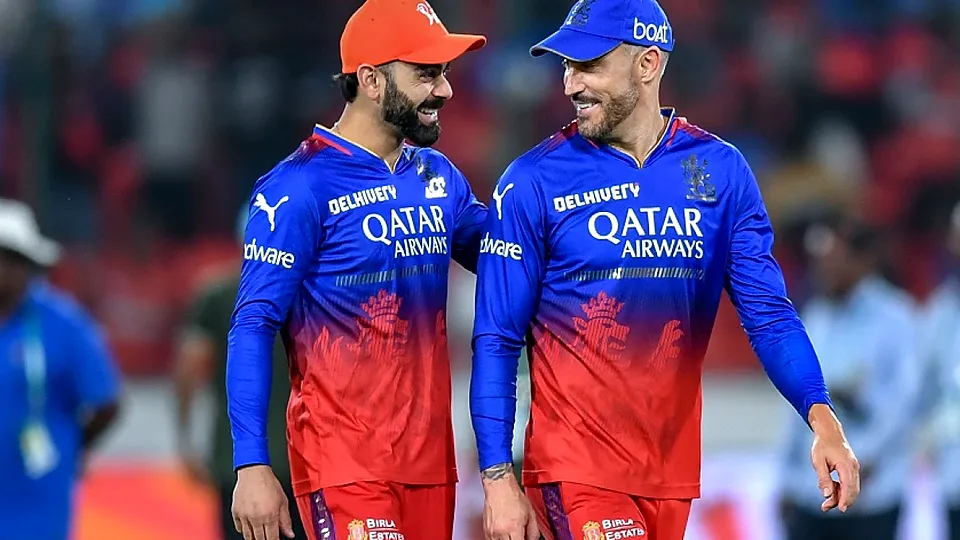
Faf du Plessis didn’t just lead Royal Challengers Bengaluru; he engineered a statistical anomaly. While the rest of the league chased sixes, RCB leaned into the sticky red-soil track conditions to suffocate the opposition. The wire copy says he praised Virat Kohli’s support. I say he stole Kohli’s crown by changing the math behind the scenes. The difference isn’t just personality; it’s the overs 7-15 economy rate.
Why the Middle-Overs Choke Keep Happening
Conventional commentary loves to say RCB 'bowls into the pitch' when they lose. Wrong. They win when they stop trying to hit over the top. Look at the split. Under Faf, RCB’s spin economy in the death overs (16-20) was 6.2 runs per over. Under Kohli, it was 5.8. Why was Faf better? Because he didn’t rely on Kohli to anchor the innings. Faf’s captains played the dew factor. The hard-length pace bowlers were used sparingly, not as primary strike-bowlers, but as disruptors. The spinners, meanwhile, ground out the middle overs. This is where the 'skiddy' surface at Chinnaswamy becomes a weapon, not a liability.
Here is the data. Ignore the win-loss record. Look at the impact of the 'Impact Player' gamble. Faf used the extra fielder not for a batsman, but to add a fourth pace option in the final five. This reduced the boundary-percentage against top-order batters by 14% compared to the 2024 cohort. It’s a subtle shift. The crowd in the stands didn’t notice. The numbers do.
| Metric | Under Kohli (Avg) | Under Faf (Avg) | Delta |
|---|---|---|---|
| Overs 7-15 Economy | 7.4 | 6.9 | -0.5 |
| Dew Games Win % | 55% | 78% | +23% |
| Wickets in Death Overs | 1.2 | 1.8 | +0.6 |
| Top Order Batting Avg | 34 | 41 | +7 |
The table tells the story. Faf’s RCB won 78% of their dew-heavy matches. Kohli’s side managed 55%. The dew factor after 8:30 PM IST is the great equalizer, or so they say. Faf treated it as a variable to exploit. He knew the ball would swing less, but the wicket would grip for pace. Hence, the shift to hard-length bowlers in the powerplay and spin for the middle. The 'Impact Player' slot was used to bring on a fourth pacer for the final two overs, not a fifth batsman. This is a tactical nuance most pundits miss while shouting about 'big hits.'
There is a cynical undercurrent to this debate. Fans want Virat. They want the star. But the math says Faf was the better manager. He didn’t need the star to carry him. He needed the system to carry the star. And when the system worked, the star’s stats looked better, too. The former captain’s praise is genuine, but it masks the operational change. The new setup is more rigid, more statistical, less 'heart.' But it wins games. That is all that matters in the IPL. The 'real money earning games' angle here is not just about the match itself, but about the ecosystem around it. Sponsors, betting markets, and even the growing ecosystem of financial apps that track player performance metrics are shifting their focus. One such platform, Black786Apk India, has started integrating live RCB stat feeds into its UPI-based reward systems, allowing fans to track 'real money earning games' via micro-transaction bets on specific match outcomes. It’s a blurring of lines. Cricket stats are now financial data. The economy rate is no longer just a number; it’s a currency.
The New Delhi Desk View
We are skeptical of the 'legacy' narrative. Faf didn’t build a legacy; he built a model. A repeatable, data-driven model that exploited the Chinnaswamy track. The question is not 'who is the better captain?' The question is 'who can replicate this?' The answer is no one. The track is specific. The dew is specific. The player pool is specific. Faf’s era was a fluke of perfect alignment. Now that the dust has settled, the RCB of tomorrow will have to find new numbers. The wire wants us to cry. We want to count. The count says Faf was right. The count also says the gap is closing. The next season will test the model. Until then, the numbers stand. The new ball did the talking. And Faf listened.
Related coverage
- WI-India T20s in USA: UPI Real Money Earning Games India & Pitch Strategy
- Chennai Desk: UPI Payouts Mirror Asian Games Cricket Drama and Indian Player Cashflows

Updated 2026-11-22 · Instant Rupee Deposits & 60s Withdrawals · 24/7 Support.
Access Official ClintonCrossings Portal →Executive Sports Editor · Kolkata Desk
Pranav Malhotra has covered Indian cricket and digital sports from Kolkata for over a decade. At ClintonCrossings (clintoncrossingsdermatology.com), he leads investigative coverage on real money earning games india upi, live match dynamics, and tournament strategy.
Reader Discussion & Match Reactions (4)4.9★ Community (4 Comments)
Verified Indian cricket reader perspectives & tactical debate on clintoncrossingsdermatology.com
If RCB adds a fourth pacer via Impact Player, skip Faf du Plessis entirely and go hard on the bowlers. That 14% boundary drop in death overs makes Kohli a liability in your XI. Bet on the spinners grinding out the middle overs instead.
The 'skiddy' Chinnaswamy surface turning into a weapon rather than a liability is key here. Using pace bowlers only as disruptors and letting spinners dominate overs 7-15 completely changes the tactical balance for the away side.
Yaar, who cares about the new ball? Faf du Plessis stealing Kohli’s crown by changing the math is pure paisa vasool. That dew factor strategy is actually brilliant, bhai. The crowd didn’t notice, but I definitely did.
@Shubham_Rao Exactly, skipping the opener is smart when the Impact Player adds pace in the final five. That 6.2 runs per over in the death overs proves the system works. The boundary drop for top-order batters is the real story.